Find your look
Cake Styles
The hardest part of briefing a cake is describing a look you have only seen in a photograph. These are the words Australian cake makers actually use, so you can name what you want before you ask anybody to quote it.
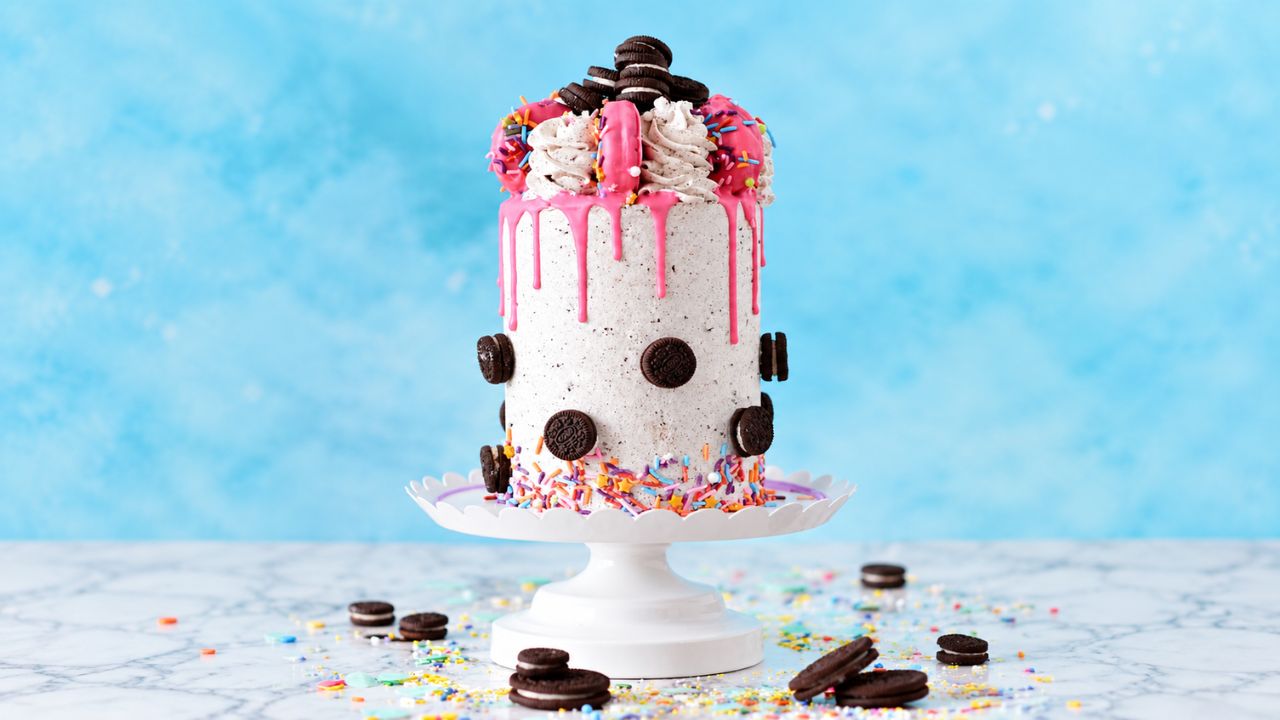
Cake design ideas
Eight styles, and what to call them
Every style below is a brief a maker will recognise immediately. Naming one, then adding a reference image, gets you a more accurate quote than any amount of description.
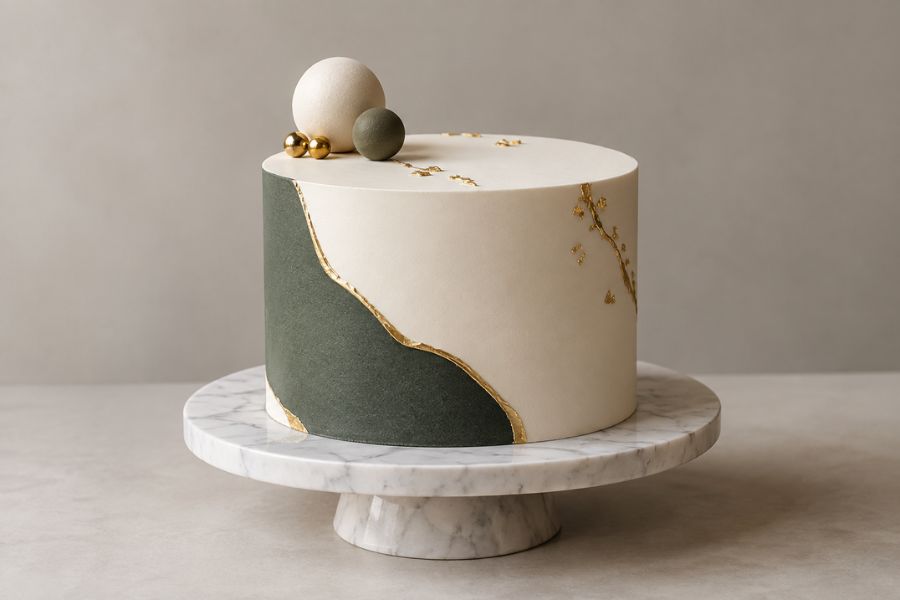
Modern minimal
One clean colour, sharp edges and a single point of interest. Reads as considered, never plain, and it leaves nowhere for a wobbly finish to hide. Suits: Styled events, restaurant dinners, engagement parties.
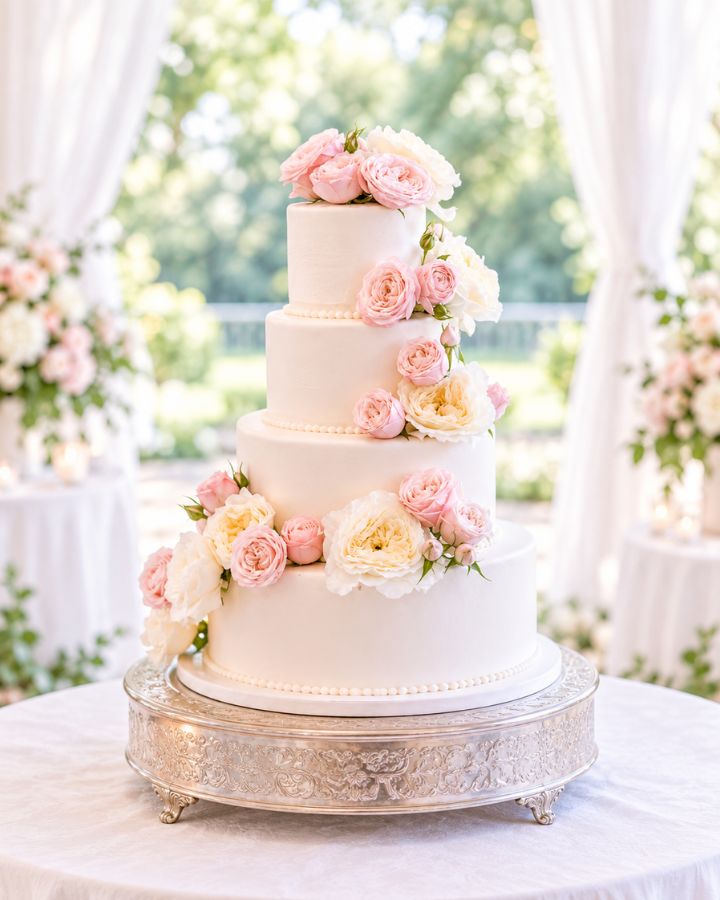
Romantic floral
Sugar or fresh florals cascading across tiers, usually in a soft palette. Sugar florals are made by hand well in advance, which is why they carry a real cost. Suits: Weddings, christenings, milestone anniversaries.
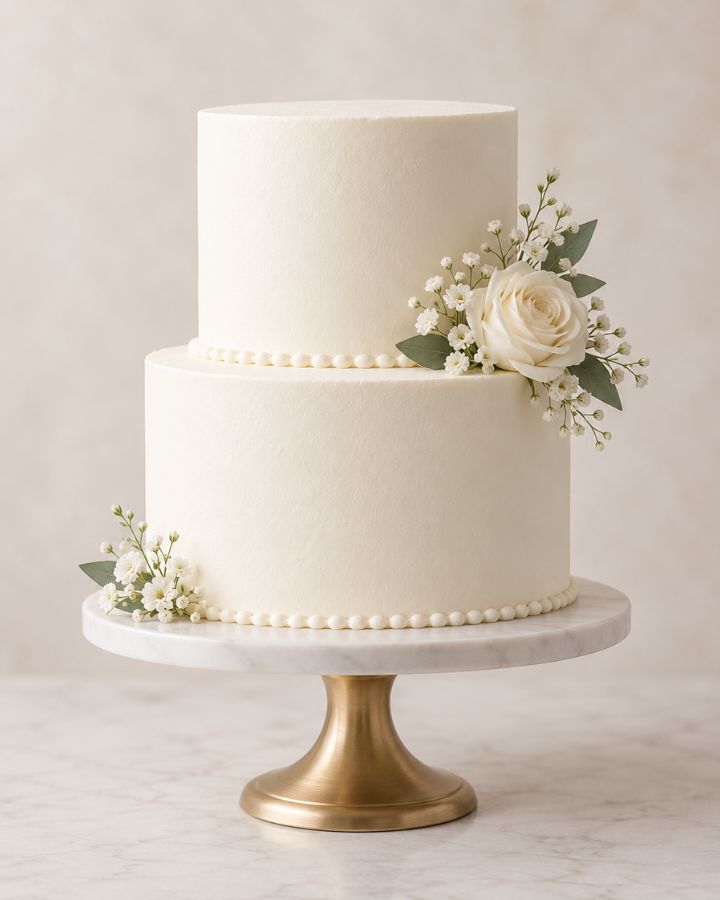
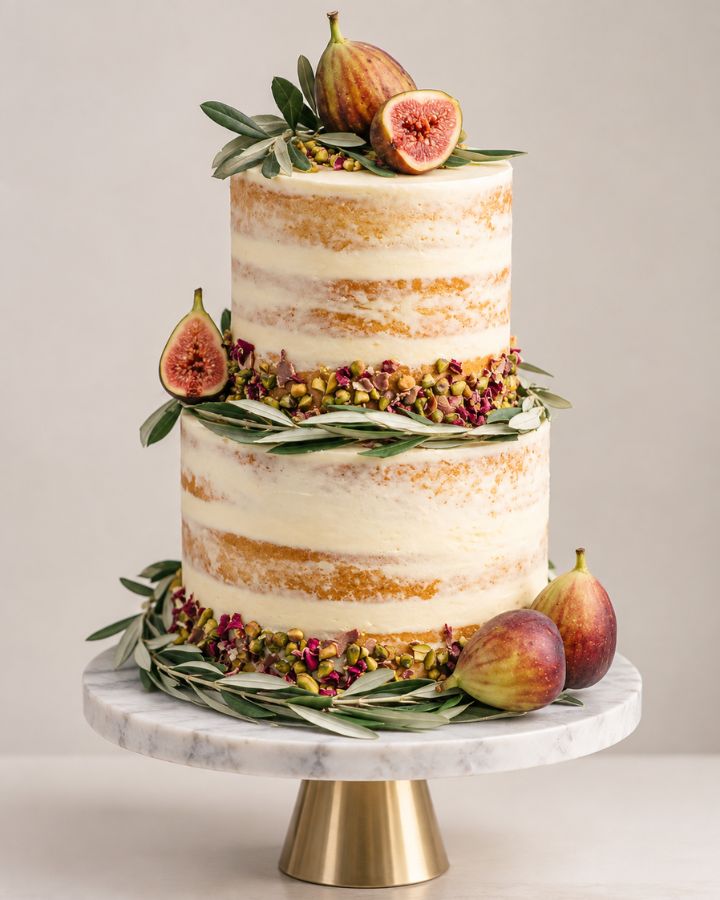
Textured buttercream
Buttercream worked with a palette knife, comb or spatula so the finish itself is the decoration. The look most people mean when they ask for something modern. Suits: Almost anything, in a cool room.
Pressed flower
Real edible blooms and petals set flat into a smooth or lightly textured surface. Soft, seasonal and quietly expensive looking. Suits: Spring and autumn weddings, garden celebrations.

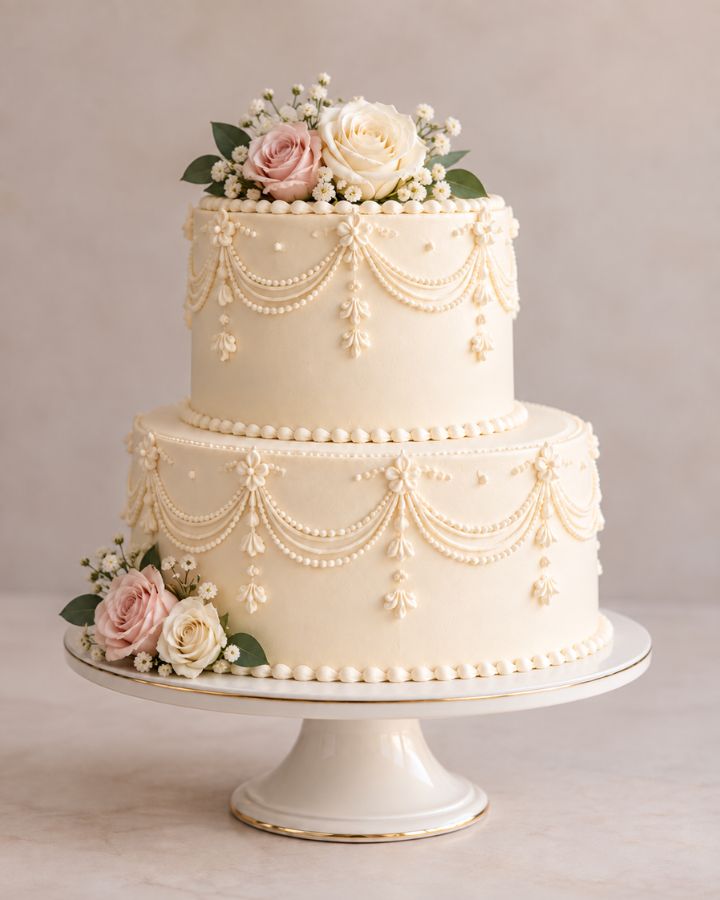
Vintage piped
Lambeth style piping, ruffles, shells and pearls, often in a heritage colour. Slow, skilled handwork that has come back strongly. Suits: Engagements, milestone birthdays, anniversaries.
Sculptural
Shapes, sculpted forms and structural elements that go beyond a round tier. Needs internal support and an experienced hand, and it changes the delivery conversation. Suits: Design-led weddings, launches, statement birthdays.
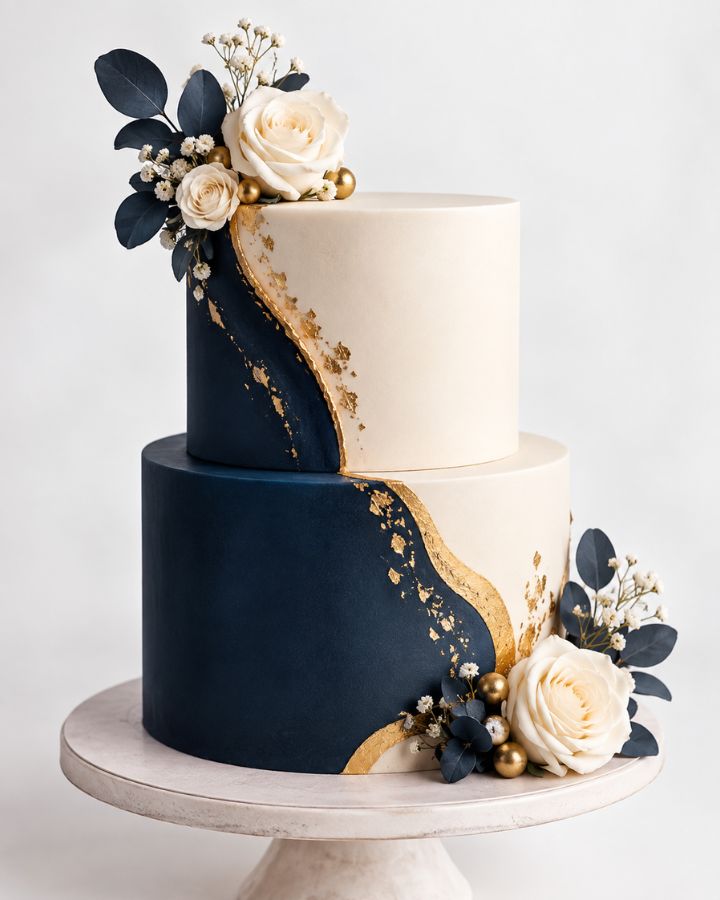
Colour led
A single strong palette carrying the whole cake, taken from the room, the outfit or the invitation. Deep colours are harder to hold than soft ones. Suits: Milestone birthdays, corporate launches, styled parties.

Classic elegant
Smooth covering, clean tiers, restrained detail and a finish that suits a formal room. The safest brief to write and the hardest one to execute perfectly. Suits: Weddings, christenings, formal celebrations.
Briefing a look
How to describe a cake you cannot name
You do not need the right word. You need enough signal that a maker can picture the finished cake and price it honestly.
- Send two or three references, not twenty.Two images and a sentence about what you like in each is far more useful than an album. Say what drew you to them: the colour, the texture, the shape or the flowers.
- Name one thing that is non negotiable.The colour, a flower, a finish, a topper. Makers can work around almost anything if they know which part is fixed.
- Describe the room as well as the cake.Indoors or outdoors, seated or standing, formal or relaxed, and the time of day. That changes the covering, the delivery window and sometimes the whole design.
- Say what you do not want.Often the faster instruction. No fondant, nothing pink, no fresh flowers, nothing that will not survive an hour in the sun.

Answered
Style questions people ask first
A cake finished with real edible flowers and petals pressed flat into the surface, instead of arranged on top. The look is soft, seasonal and deliberately imperfect. Two things are worth asking any maker: which flowers they use that are genuinely food safe, and how the cake will be stored between decorating and delivery, because pressed blooms are at their best within a short window.
A textured buttercream cake is one where the buttercream is applied and then worked with a palette knife, comb or spatula so the texture itself becomes the decoration, instead of being smoothed flat or covered in fondant. It suits contemporary and relaxed celebrations, it photographs well, and it is usually a shorter build than sugar florals or fondant work. It is not the finish for a hot outdoor event, though, because buttercream softens in real heat. Ask about a ganache shell underneath, or about a different covering altogether.
No. A style name makes the first quote more accurate, but plenty of people arrive with a colour, a photograph and a date. Send what you have. The brief includes space for reference images precisely because most people recognise the cake they want long before they can name it.
Common questions
Choosing a finish that will hold
Which styles hold up best in an Australian summer?
Dark chocolate ganache is the most heat stable covering, and fondant over a ganache shell is the usual recommendation for a hot outdoor event. White chocolate ganache is softer and less forgiving. Buttercream struggles most, because it is butter based and softens once the day gets genuinely warm; a ganache layer underneath holds the structure but does not stop the surface going soft. Fondant is not immune either: in real heat it softens, colours can bleed and the surface can bulge as what is under it warms up, and it also sweats when a chilled cake meets warm air. Fine sugar work absorbs moisture in both. The practical advice matters as much as the covering: keep the cake out of direct sun, out of a hot car and away from a marquee wall, and cut it earlier in the day than you had planned. Put the venue, the month and the time it will be cut in the brief and let the maker choose the finish.
Are fresh flowers cheaper than sugar flowers?
Usually, because sugar florals are made by hand over hours or days. Fresh flowers bring their own requirements: they need to be food safe, correctly prepared and often supplied or approved by the maker instead of pulled from the table arrangements. Raise it early, since it affects both cost and who supplies what.
Can a cake match my exact colour?
Close, usually. Buttercream and fondant both shift slightly as they set, and deep colours are harder to hold than soft ones. Send a physical swatch or a specific reference instead of a colour name, and ask the maker to tell you honestly how close they expect to get.
Can I mix two styles?
Often, and the best cakes frequently do. A textured buttercream base with pressed flowers, or a minimal shape with one sculptural element, both work. What rarely works is asking for three strong ideas at once, because they compete rather than combine. Pick the one that matters most and let the maker build around it.
From idea to quote
You know the look. Now describe it once
One brief carries your style direction, reference images, servings and date to cake professionals who cover your area.